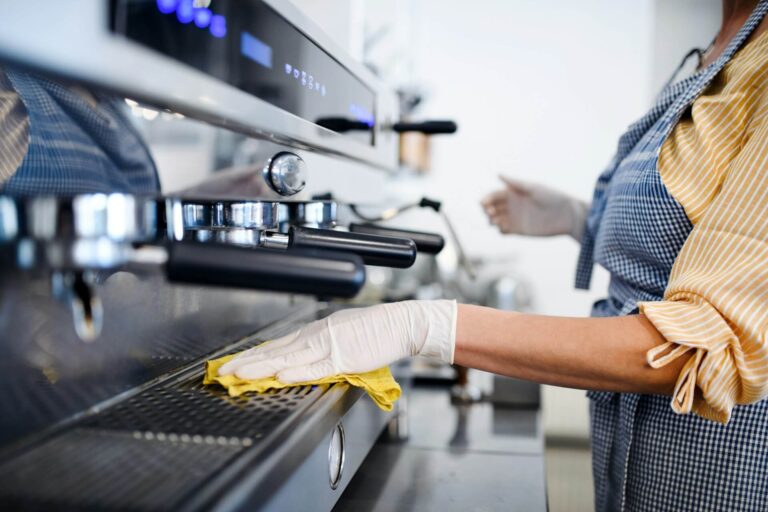
When patients visit a medical or dental clinic, they expect more than professional healthcare services. They also expect a clean, hygienic, and well-maintained environment where they can feel safe and comfortable. From the reception counter and waiting area to consultation rooms, treatment facilities, and toilets, every part of a healthcare facility contributes to the overall patient experience.
In Singapore, maintaining high standards of cleanliness is particularly important for healthcare providers. Medical and dental clinics accommodate patients with different health conditions every day, making proper hygiene, infection prevention, and environmental cleaning essential responsibilities. Unlike ordinary commercial properties, healthcare facilities must take additional precautions to minimise contamination and protect patients, healthcare professionals, and visitors.
For clinic owners, healthcare administrators, and facility managers, choosing reliable clinic cleaning services is therefore more than a matter of keeping the premises presentable. It is an important operational decision that supports patient safety, regulatory compliance, and the professional reputation of the healthcare facility.
But what exactly does professional clinic cleaning involve, and how is it different from ordinary office cleaning? Let’s take a closer look at the areas that require attention, the cleaning procedures involved, and why engaging experienced professionals can make a significant difference.
Why Clinic Cleaning Services Is Different From Regular Commercial Cleaning
While regular office cleaning focuses on maintaining a tidy and comfortable workplace, clinic cleaning requires additional attention to infection prevention, hygiene procedures, and the safe handling of potentially contaminated materials.
Medical and dental clinics have treatment areas, shared equipment, patient contact surfaces, and facilities that may be exposed to bodily fluids and infectious microorganisms. These environments require appropriate cleaning and disinfection procedures, with particular attention to frequently touched surfaces and areas where patients receive treatment.
For example, wiping a desk in an ordinary office is relatively straightforward. Cleaning surfaces in a consultation or treatment room, however, may require specific disinfectants, documented procedures, and precautions to prevent cross-contamination.
Professional healthcare cleaning services must therefore consider the different risks associated with each area of the facility. Cleaning equipment should be appropriately maintained, suitable products must be used, and personnel should understand the boundaries between general environmental cleaning and clinical infection-control responsibilities.
This distinction is especially important in dental clinics, where treatment procedures may generate splashes and aerosols. While professional cleaners can maintain common areas and other designated surfaces, clinical equipment disinfection and instrument sterilisation must follow the clinic’s established infection-control procedures and be performed by appropriately trained personnel.
Essential Areas That Require Professional Clinic Cleaning Services
A comprehensive cleaning programme should cover the entire healthcare facility, not just the areas visible to patients. Here are nine important areas and responsibilities that medical and dental clinics should include in their cleaning plans.
1. Clinical Treatment Areas and Surface Disinfection
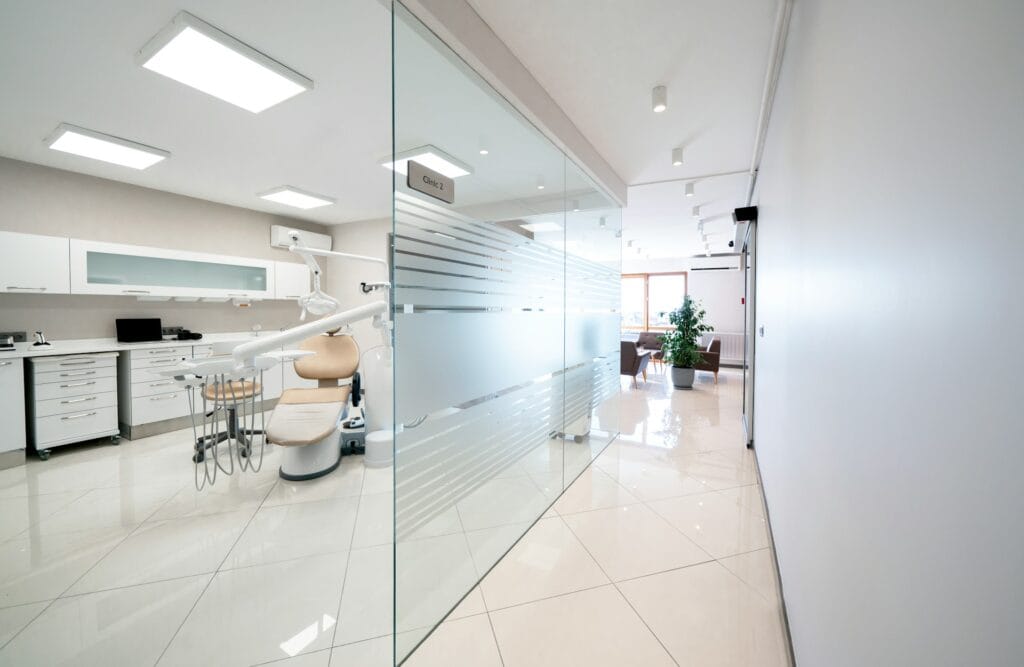
Treatment areas require particular attention because they are where healthcare professionals examine, assess, and treat patients. Examination couches, worktops, sinks, door handles, and other frequently touched surfaces should be cleaned and disinfected according to the clinic’s infection-control procedures. Areas exposed to bodily fluids require appropriate precautions and cleaning methods.
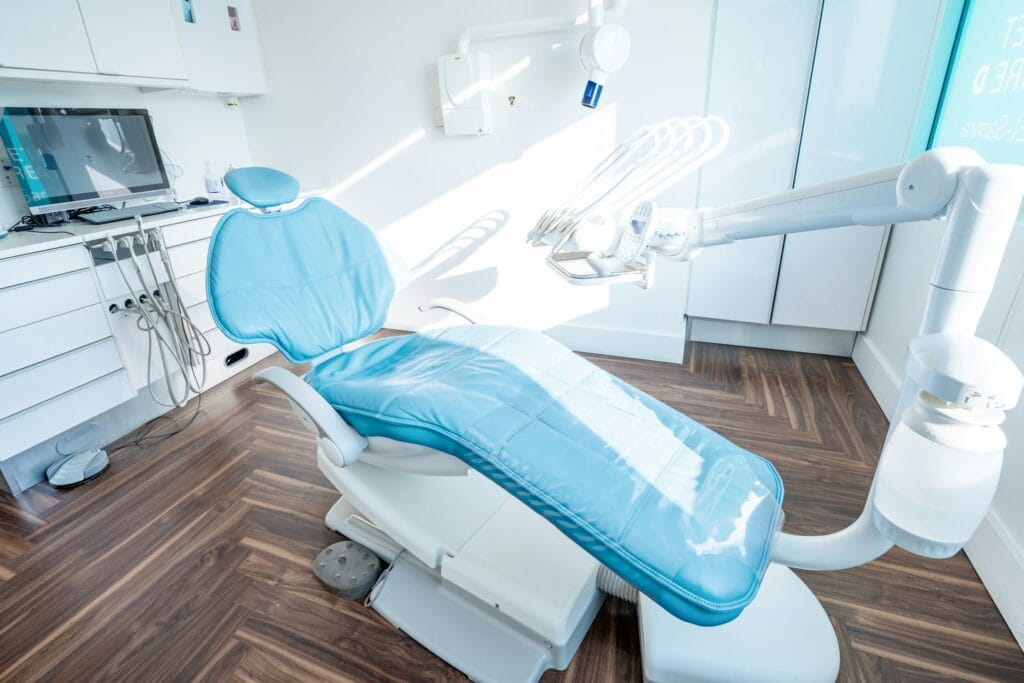
Cleaning schedules should also account for patient turnover, with designated clinical surfaces disinfected between patients whenever required. Unlike ordinary housekeeping, cleaning in these areas must be carefully coordinated with clinical staff to ensure that the correct procedures are followed without interfering with medical activities.
2. Medical and Dental Equipment Cleaning
Medical and dental equipment requires careful handling because different instruments and devices have different cleaning and disinfection requirements. Frequently touched external surfaces, equipment stands, and surrounding work areas may require regular wiping with compatible cleaning products. However, medical instruments, reusable clinical devices, and dental equipment used during treatment often require specialised reprocessing procedures.
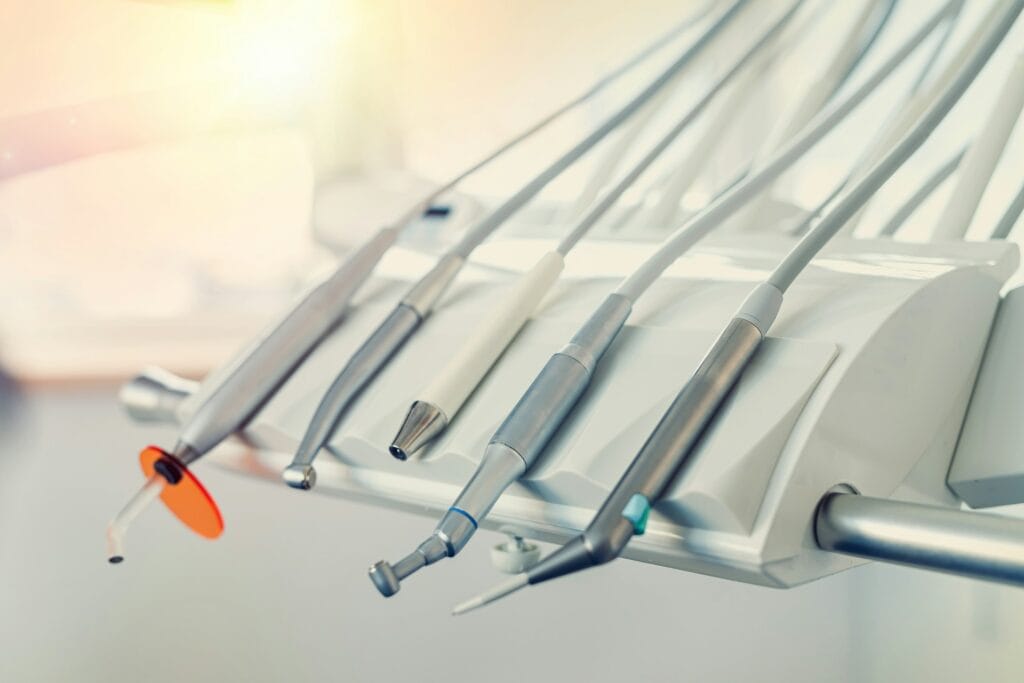
These responsibilities should remain with appropriately trained healthcare personnel following the manufacturer’s instructions and the clinic’s infection-control protocols. For dental office cleaning services, it is especially important to establish clear responsibilities between the cleaning contractor and the dental team. This helps ensure that general environmental cleaning supports, rather than interferes with, clinical disinfection and sterilisation procedures.
3. Toilets and Washroom Facilities
Toilets are among the most frequently used shared facilities in medical and dental clinics. Toilet bowls, sinks, taps, mirrors, cubicle doors, handles, and surrounding surfaces require regular cleaning and appropriate disinfection. Floors should also be cleaned frequently, with spills and wet areas addressed promptly to reduce slipping hazards.
Hand soap, toilet paper, and paper towels should be checked and replenished throughout the day. Rubbish bins must also be emptied regularly to prevent overflowing waste and unpleasant odours. Because these facilities are shared by patients, staff, and visitors, a consistent cleaning schedule is essential.
4. Reception Counters and Patient Waiting Areas
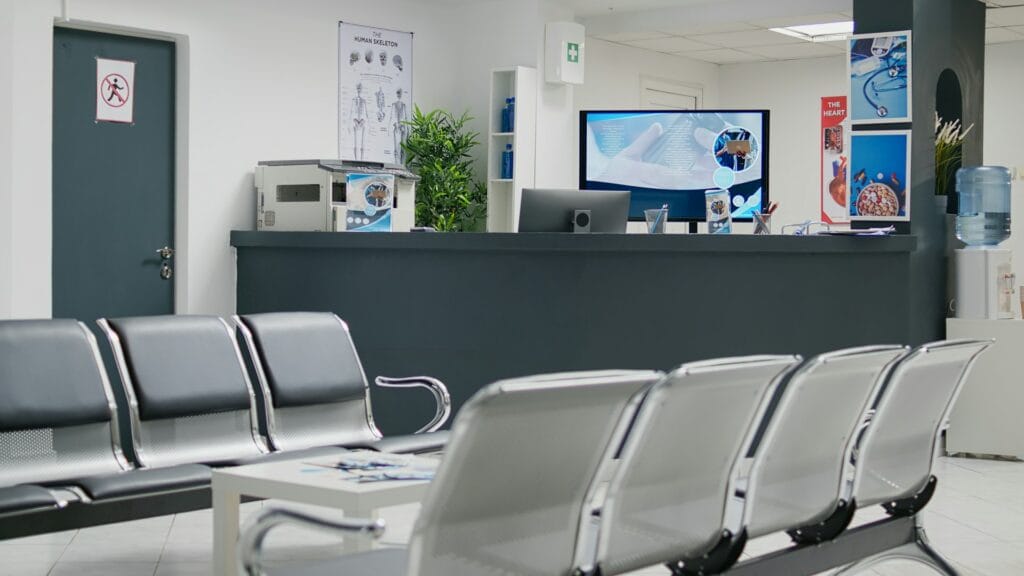
The reception and waiting area is usually the first place patients encounter when entering a clinic. Clean counters, comfortable seating, spotless floors, and well-maintained surroundings create a reassuring first impression. More importantly, these areas contain numerous frequently touched surfaces that require regular attention.
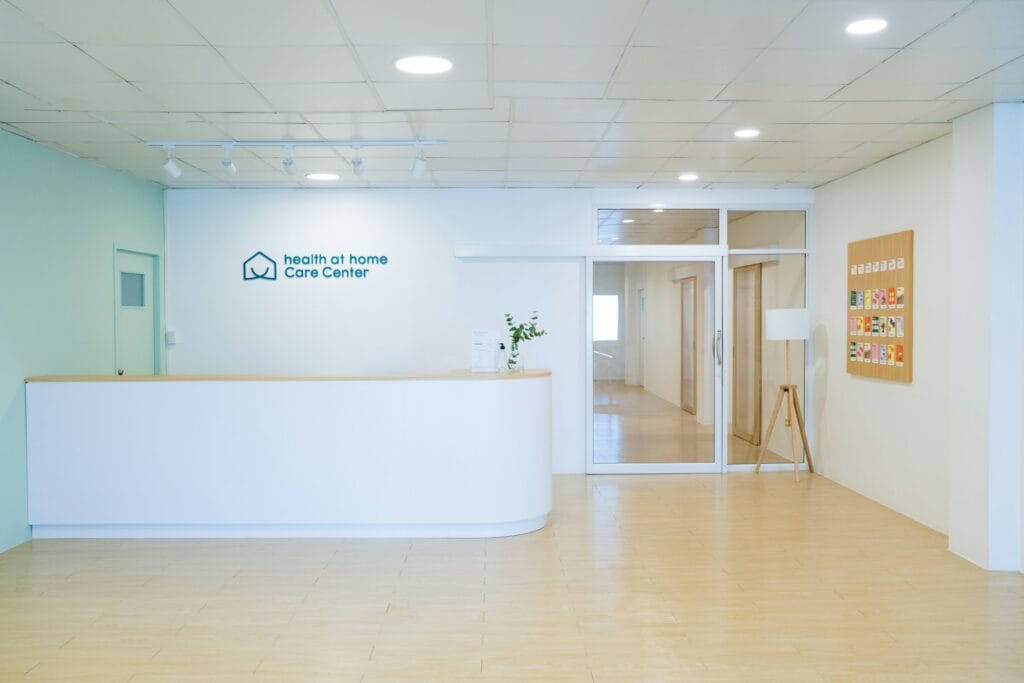
Reception counters, door handles, payment terminals, shared pens, chairs, tables, and other common touchpoints should be cleaned according to the clinic’s hygiene procedures. Upholstered seating may also benefit from periodic professional extraction cleaning to remove accumulated dust, stains, and dirt.
Maintaining a clean waiting area helps create a more welcoming environment while supporting the clinic’s overall hygiene standards.
5. Consultation and Examination Rooms
Consultation and examination rooms require a combination of routine environmental cleaning and additional precautions appropriate to their clinical use. Desks, chairs, examination couches, sinks, worktops, and frequently touched surfaces should be cleaned regularly. Floors should be swept or vacuumed where appropriate and mopped using suitable cleaning products.
Particular attention should be given to surfaces that patients and healthcare professionals frequently touch. For rooms used for procedures, cleaning frequency and disinfection requirements should follow the clinic’s infection-control protocols. A structured checklist helps ensure that important surfaces are not overlooked during busy operating hours.
6. Administrative Offices, Storage Rooms and Corridors
Not every area of a healthcare facility is used for patient treatment, but supporting spaces still require proper maintenance. Administrative offices should receive routine dusting, wiping, vacuuming, and floor cleaning. Shared desks, equipment, door handles, and other touchpoints also need regular attention.
Storage rooms should remain clean, organised, and free from unnecessary dust or clutter. Medical supplies and cleaning chemicals must be stored appropriately to prevent contamination and accidental exposure.
Corridors and common walkways require regular sweeping and mopping, particularly in busy clinics where patients and staff move between different rooms throughout the day.
These areas may appear less demanding than treatment rooms, but they remain important parts of a comprehensive healthcare cleaning programme.
7. Proper Waste Collection and Disposal
Waste management is another important responsibility in healthcare facilities. General rubbish, recyclable materials, sharps, and clinical waste must be handled according to their respective requirements. Ordinary waste bins should be emptied regularly, cleaned when necessary, and fitted with suitable liners.
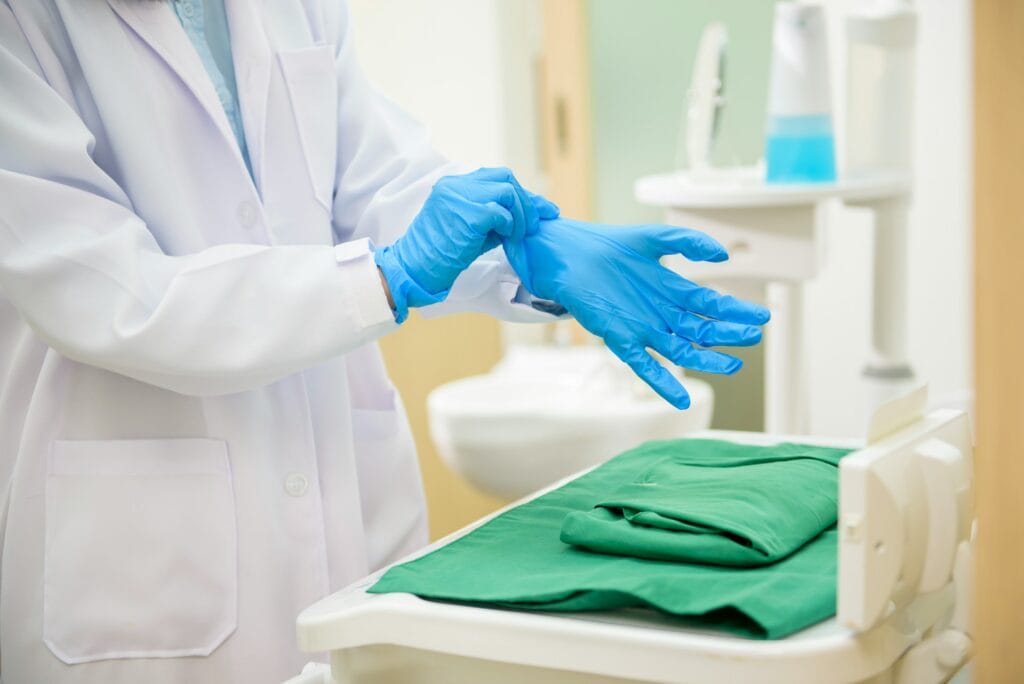
However, potentially infectious waste, used sharps, and other regulated clinical waste require specialised segregation, containment, and disposal arrangements. These materials should only be handled by appropriately trained personnel and authorised service providers.
A professional healthcare cleaning company should understand the distinction between general housekeeping waste and regulated clinical waste, ensuring that cleaning personnel do not inadvertently handle hazardous materials outside their assigned responsibilities.
8. Floor Cleaning and Maintenance
Floors are among the most heavily used surfaces in any medical or dental clinic. Patients, visitors, and healthcare professionals constantly move through reception areas, corridors, consultation rooms, and treatment spaces, bringing dust, dirt, and moisture into the facility.
Daily sweeping and mopping help maintain cleanliness, while spills should be addressed promptly to reduce safety risks. Over time, however, dirt may accumulate in grout lines, textured flooring, and high-traffic areas that regular mopping cannot effectively clean.
Periodic professional floor deep scrubbing can help remove stubborn buildup and maintain a cleaner appearance. The cleaning method must always be appropriate for the flooring material and the healthcare environment.
9. Towels, Bedsheets and Staff Uniforms
Healthcare facilities that use reusable towels, bedsheets, pillowcases, blankets, or other fabric items must also maintain proper laundry and linen-handling procedures. Used linen should be collected and stored appropriately, with particular precautions for items contaminated by bodily fluids or other potentially infectious materials.
Clean and used linen should be kept separate to minimise cross-contamination. Washing and drying procedures must follow the clinic’s infection-control requirements and the relevant fabric care instructions.
Staff uniforms also require appropriate laundering, especially when exposed to clinical contaminants.
While some general laundry tasks may be outsourced, contaminated healthcare linen may require specialist handling and suitable laundry providers.
Why Professional Healthcare Cleaning Matters
Proper healthcare cleaning benefits more than the appearance of a clinic. It plays an important role in supporting the safe and efficient operation of the entire facility.
Patient Safety and Infection Prevention
Patients visiting medical and dental clinics may have different levels of vulnerability to infection. Maintaining clean and appropriately disinfected surroundings helps reduce environmental contamination and supports broader infection-prevention measures.
Although environmental cleaning alone cannot eliminate every infection risk, it remains an essential part of a clinic’s overall hygiene programme.
Protection for Healthcare Professionals
Doctors, dentists, nurses, receptionists, and other healthcare personnel spend long hours working in shared environments. Regular cleaning and appropriate disinfection help reduce unnecessary exposure to environmental contaminants, while proper waste handling and cleaning procedures protect staff from avoidable hazards.
Regulatory Compliance and Professional Standards
Healthcare facilities in Singapore operate within a regulated environment where infection prevention, environmental hygiene, and patient safety are important responsibilities. The Ministry of Health (MOH) oversees healthcare regulation, while the National Environment Agency (NEA) administers relevant environmental public health and sanitation requirements.
Medical and dental clinics must follow the applicable regulatory requirements and infection-control standards relevant to their services. These obligations may differ depending on the type of facility, procedures performed, and activities involved.
Engaging experienced medical cleaning services can support a clinic’s cleaning programme, although regulatory accountability remains with the healthcare provider.
Patient Confidence and Clinic Reputation
A clean clinic communicates professionalism and attention to detail. Patients naturally feel more comfortable when waiting areas, toilets, consultation rooms, and other facilities are visibly well maintained.
Consistent cleaning also helps protect the clinic’s reputation by demonstrating that hygiene and patient comfort are taken seriously.
How Often Should Medical and Dental Clinics Be Cleaned?
There is no single cleaning schedule suitable for every healthcare facility. A small dental practice with a few consultation rooms may have different requirements from a larger medical centre accommodating numerous patients throughout the day. Cleaning frequency generally depends on the facility’s size, patient traffic, clinical activities, surface types, and infection-control requirements.
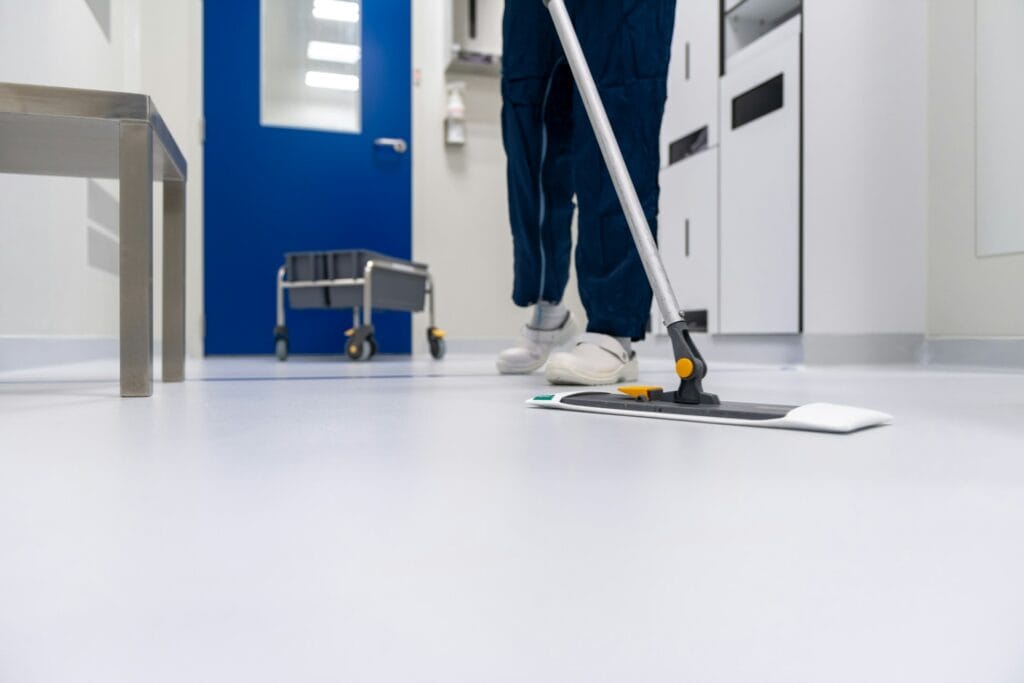
Daily cleaning typically includes floors, toilets, waiting areas, reception counters, common touchpoints, and general waste collection. Certain clinical surfaces require cleaning and disinfection between patients or immediately after contamination, according to established procedures. Weekly or monthly maintenance may include more intensive floor cleaning, upholstery cleaning, high-level dusting, and other scheduled tasks, depending on the condition and requirements of the premises.
Rather than relying on a fixed schedule alone, clinic managers should work with their cleaning provider to establish a practical programme that addresses the facility’s actual needs.
Choosing the Right Healthcare Cleaning Company in Singapore
Not all commercial cleaning companies are necessarily equipped to work in healthcare environments. When evaluating a cleaning contractor, clinic owners and facility managers should consider the company’s experience, cleaning procedures, staff training, equipment, and ability to work within healthcare-specific requirements.

An experienced healthcare cleaning company should be able to explain which services it provides, what cleaning methods it uses, and how its personnel are trained to work safely in designated areas.
Clear communication is equally important. Responsibilities involving clinical equipment, contaminated materials, specialist disinfection, and regulated waste should be established before work begins.
Whether you are searching for cleaning services healthcare providers or professional cleaning services healthcare facilities can rely on, the priority should always be finding a company capable of meeting your specific operational requirements.
Transparent quotations, flexible schedules, and a clearly defined cleaning scope can also help you manage costs without compromising essential hygiene responsibilities.
Professional Clinic Cleaning Services in Singapore
At Leafwell Cleaning Services Singapore, we understand that medical and dental clinics require a thoughtful and carefully planned approach to maintaining their premises. We provide professional commercial cleaning solutions and welcome discussions with healthcare operators about their specific environmental cleaning requirements. Our team can help assess suitable services for designated non-clinical areas and other cleaning tasks within our capabilities, including routine housekeeping, floor maintenance, and periodic deep cleaning.
Whether your clinic requires daily cleaning, weekly maintenance, or scheduled monthly services, we can discuss the appropriate cleaning scope, frequency, manpower, and estimated costs based on your facility’s needs. For healthcare-specific tasks, cleaning arrangements must be aligned with the clinic’s infection-control procedures, applicable regulatory requirements, and the responsibilities of appropriately trained clinical personnel.
Keep Your Clinic Clean, Hygienic and Ready for Every Patient
Maintaining a clean medical or dental clinic requires more than ordinary sweeping, mopping, and wiping. It involves a consistent cleaning programme, careful attention to high-contact surfaces, proper waste management, and a clear understanding of the additional hygiene requirements found in healthcare environments.
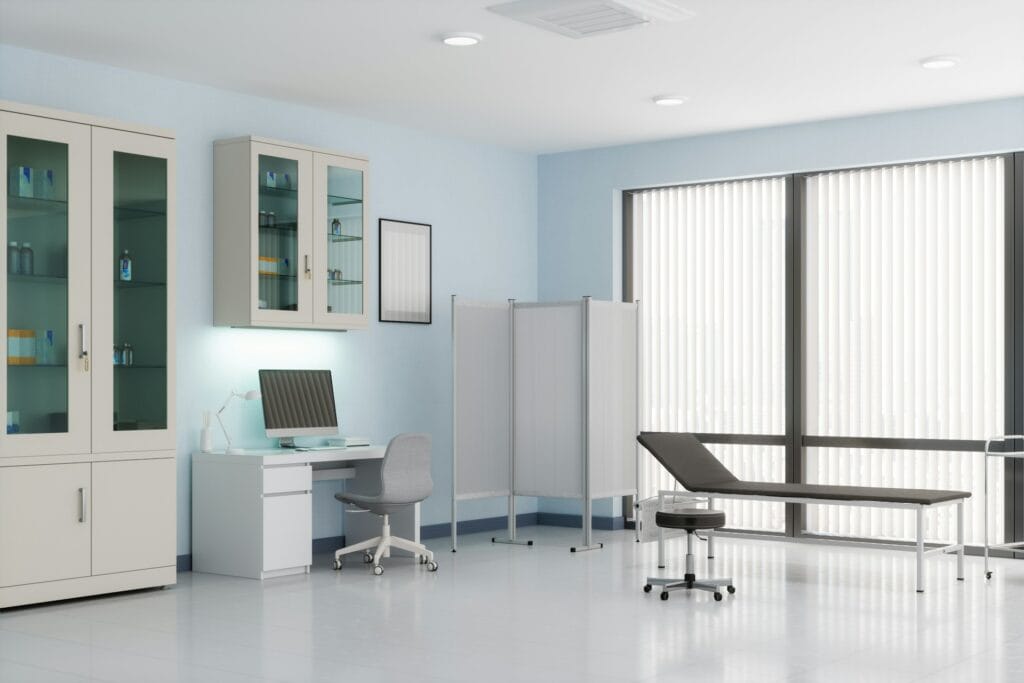
By combining daily cleaning routines with appropriate specialist services and established infection-control procedures, clinic operators can maintain a more comfortable and professional environment for patients, visitors, and healthcare personnel.
Looking for reliable clinic cleaning services in Singapore? Contact Leafwell Cleaning Services Singapore via WhatsApp for quick questions, or visit our Contact Us page to discuss your medical or dental clinic’s cleaning requirements and request a free, no-obligation quote.