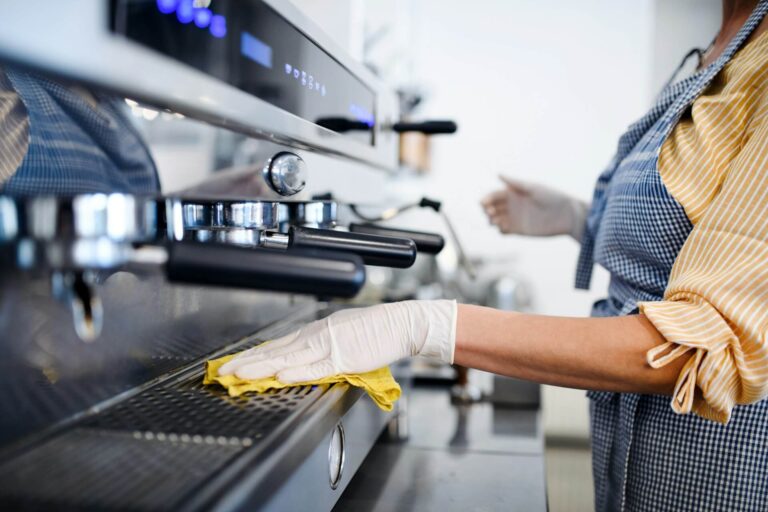
Shopping malls are among the busiest commercial spaces to keep clean. From the moment the doors open until the last visitors leave, people are constantly walking through entrances, corridors, food courts, restrooms, lifts, escalators, and common areas. Add food spills, overflowing rubbish bins, fingerprints on glass, wet floors on rainy days, and hundreds of frequently touched surfaces, and keeping everything presentable becomes a continuous job of shopping mall cleaning.
Whether it is a large shopping mall welcoming heavy crowds every day or a smaller neighbourhood shopping centre, maintaining consistent cleanliness can be challenging. This is why having a detailed shopping mall cleaning checklist is essential. Instead of reacting whenever something becomes visibly dirty, a proper plan helps cleaners systematically cover important areas throughout the property.
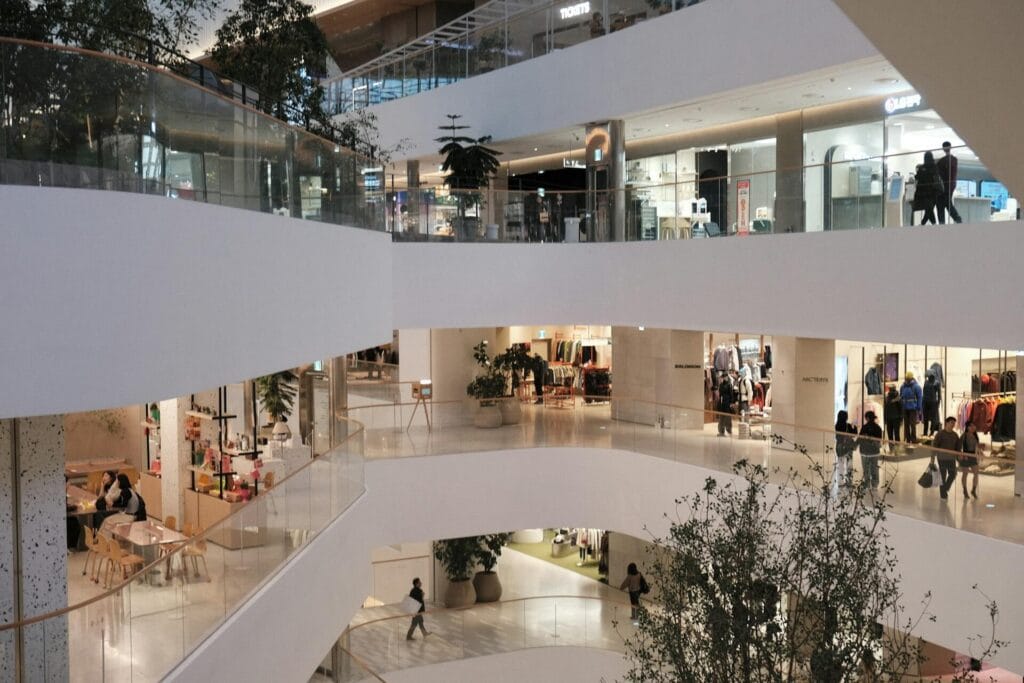
Just as important is having a dedicated cleaning team capable of carrying out that plan consistently. Effective housekeeping in malls isn’t a once-a-day activity. Cleaners need to regularly inspect high-traffic areas, respond quickly to spills and other unexpected situations, and keep essential facilities clean throughout operating hours.
And cleanliness isn’t simply about making the property look good. A clean shopping environment supports hygiene, improves visitor comfort, reduces potential safety hazards, and helps protect the reputation of the mall. Without a proper cleaning programme, neglected areas can quickly result in unpleasant odours, dirty facilities, slippery surfaces, pest concerns, and other hygiene or safety problems.
So, where should your cleaning team concentrate its attention? Here are 12 areas that should form part of a comprehensive shopping mall cleaning checklist.
1. Entrances and Reception Areas
The entrance creates the visitor’s first impression of your mall. Glass doors covered in fingerprints, dusty entrance mats, dirty flooring, or overflowing bins can immediately make an otherwise well-maintained shopping centre feel neglected.
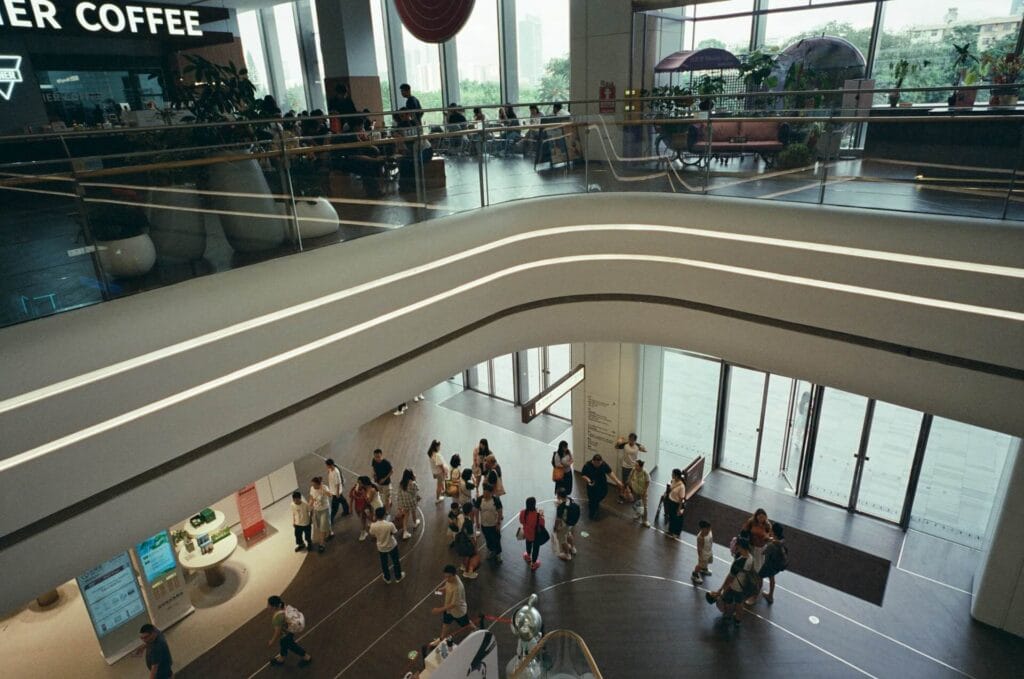
Entrances should therefore be inspected frequently throughout the day. Floors need regular sweeping and mopping, while doors, handles, glass panels, railings, and other touchpoints should be wiped down as required.
Extra attention may be necessary during Singapore’s rainy weather. Water brought indoors by shoes and umbrellas can quickly leave entrances wet and dirty. Prompt cleaning helps maintain appearances while reducing the potential risk of slippery floors.
2. Washrooms and Toilet Facilities
Few areas can affect a visitor’s perception of a shopping mall as quickly as an unclean restroom. Toilets, sinks, mirrors, countertops, cubicles, doors, handles, taps, and floors require frequent cleaning and sanitisation. Supplies such as toilet paper and hand soap should also be checked and replenished throughout the day.
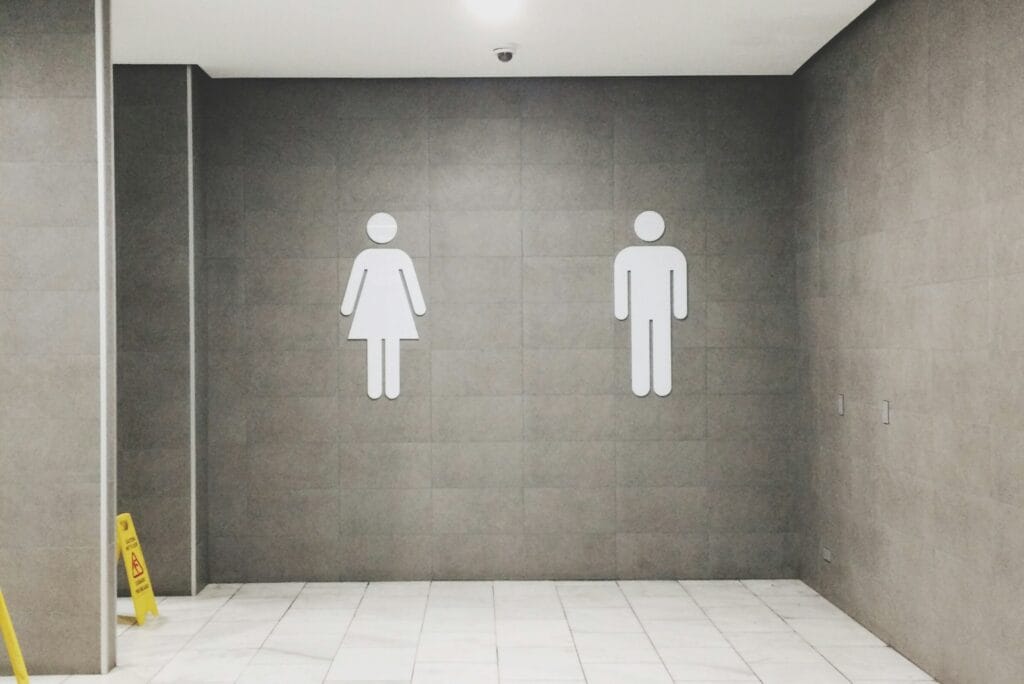
Bins need to be emptied before they overflow, while unpleasant odours, wet floors, and other problems should be addressed promptly. Beyond daily maintenance, restrooms should periodically receive a more intensive deep clean. Depending on usage, this may be scheduled weekly or monthly to tackle buildup in areas that routine cleaning may not fully address.
3. Walkways
Mall corridors experience continuous foot traffic and connect almost every part of the property. Regular sweeping, mopping, and spot cleaning help prevent dust, litter, stains, and spills from accumulating throughout the day. Cleaners should also pay attention to corners, skirting, walls, railings, signage, and elevated surfaces where dust can gradually collect.
For carpeted areas, regular vacuuming is important to remove dirt carried in by visitors. Good shopping centre cleaning should make these spaces feel consistently maintained rather than waiting until dirt becomes obvious.
4. Lifts and Escalators
Elevators and escalators are used repeatedly throughout the day, making them important areas for both appearance and hygiene. Elevator buttons, handrails, doors, control panels, and other high-touch surfaces should be wiped and sanitised regularly. Elevator floors also require sweeping, vacuuming, or mopping depending on the surface.
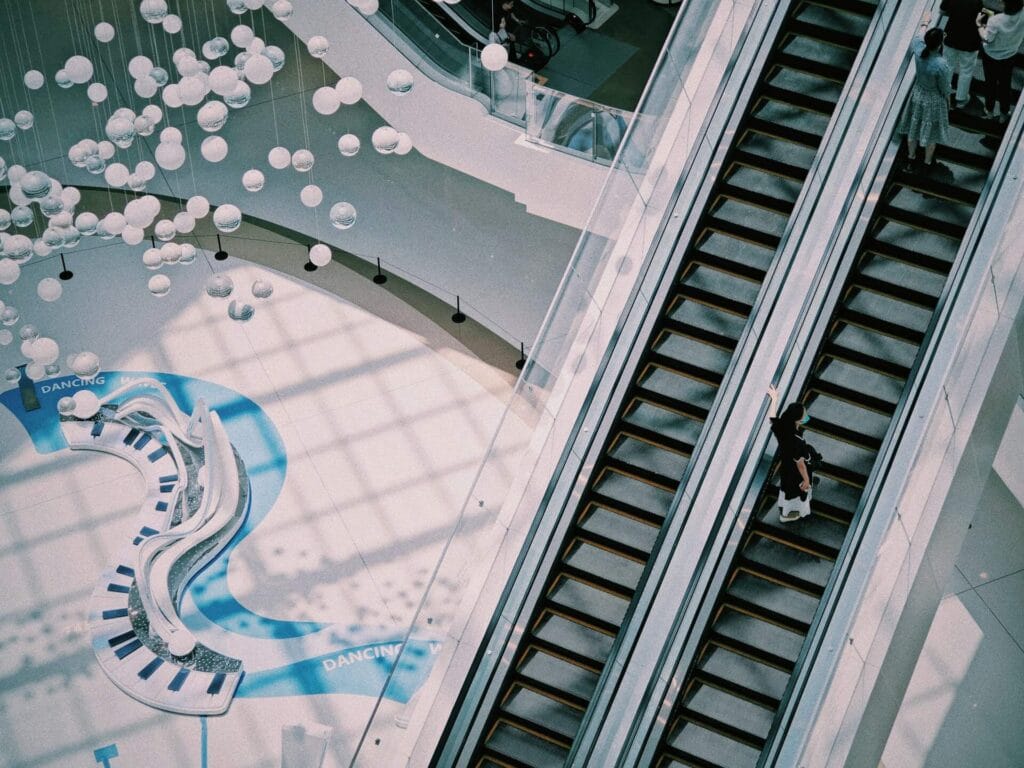
Escalator handrails receive constant contact from visitors and therefore need frequent attention. The surrounding floor areas and visible surfaces should also remain free from litter and accumulated dirt. Professional mall janitorial services should include regular inspection of these areas rather than treating them as occasional cleaning tasks.
5. Stairs, Landings and Handrails
Stairs may receive less attention than escalators and lifts, but that doesn’t mean they should be forgotten. Steps, landings, corners, and handrails can accumulate dust and dirt surprisingly quickly. Staircases should be swept or vacuumed regularly, while handrails and other frequently touched surfaces should be wiped down.
Emergency and less frequently used staircases also require scheduled cleaning. Just because fewer customers see an area doesn’t mean it should be excluded from the cleaning checklist.
6. Rest Areas Shopping Mall Cleaning
Public seating gives shoppers somewhere to rest, wait for family members, or simply take a break between stores. Because these spaces are shared by many people, seats and surrounding surfaces require regular cleaning. Upholstered seating should be vacuumed to remove dust, crumbs, hair, and other debris, while suitable surfaces should be wiped and sanitised.
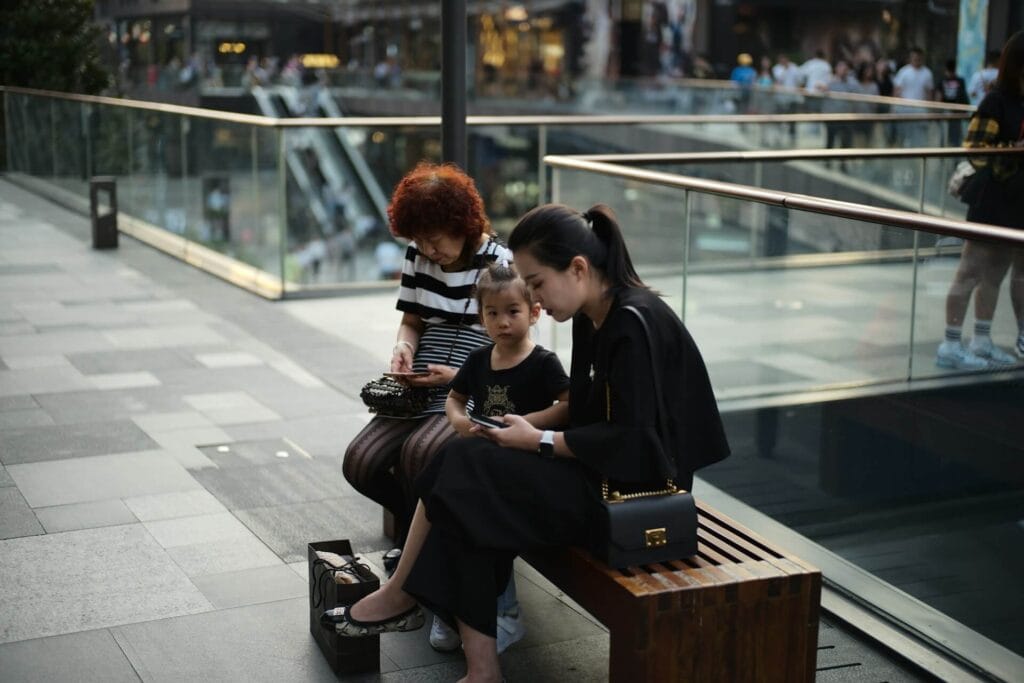
Periodically, upholstered furniture may also benefit from professional extraction or deep cleaning to address dirt and stains embedded within the fabric. The floor beneath and around seating areas should not be overlooked either. These spaces can easily collect food wrappers, crumbs, dust, and other litter.
7. Customer Service Counters
An information or customer service desk is another highly visible part of the mall. Counters should be kept free from dust, stains, and clutter, while frequently touched surfaces need regular wiping and sanitising. This includes countertops, shared devices, nearby fixtures, and other areas visitors frequently touch.
Because information desks represent the mall directly, keeping them clean helps reinforce a professional and welcoming environment.
8. Rubbish Bins and Disposal Areas
Rubbish bins may seem like a basic part of cleaning service mall operations, but they require careful management. Bins throughout corridors, entrances, food courts, restrooms, and common spaces should be monitored and emptied before becoming full. Liners should be replaced as necessary, and the receptacles themselves need regular cleaning.
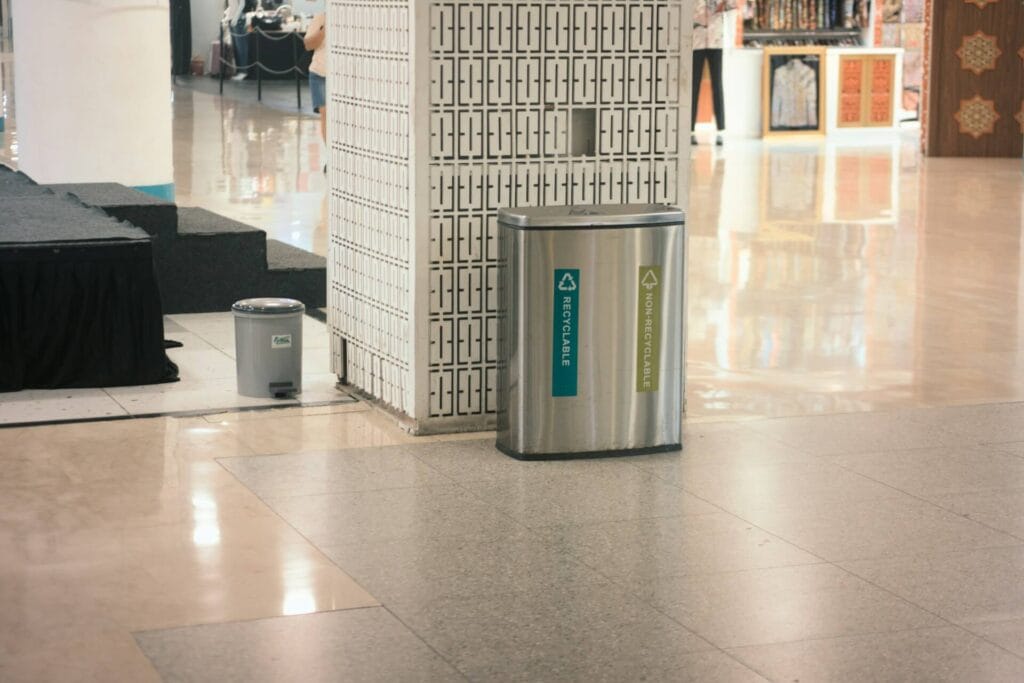
Ignoring bins for too long can lead to unpleasant smells, leaks, insects, and rubbish accumulating around them. Food court bins usually require even more frequent attention because they contain food waste, drinks, sauces, and other organic materials.
9. Storefronts and Display Areas Shopping Mall Cleaning
Individual tenants generally maintain the interiors of their stores, but common areas surrounding storefronts still influence the overall appearance of the mall. Glass panels, common walkways, railings, and shared surfaces should remain clean and free from dust, fingerprints, stains, and litter.
Clean storefront surroundings also complement the work tenants put into their own displays. When common spaces are well maintained, the entire shopping environment feels brighter and more inviting.
10. High-Traffic Floors and Walking Surfaces
Floors deserve particular attention because almost every visitor comes into direct contact with them. Daily maintenance should include sweeping, vacuuming, mopping, and quickly addressing spills. However, ordinary mopping will not always remove dirt that gradually becomes embedded in textured surfaces, grout lines, corners, and high-traffic areas.
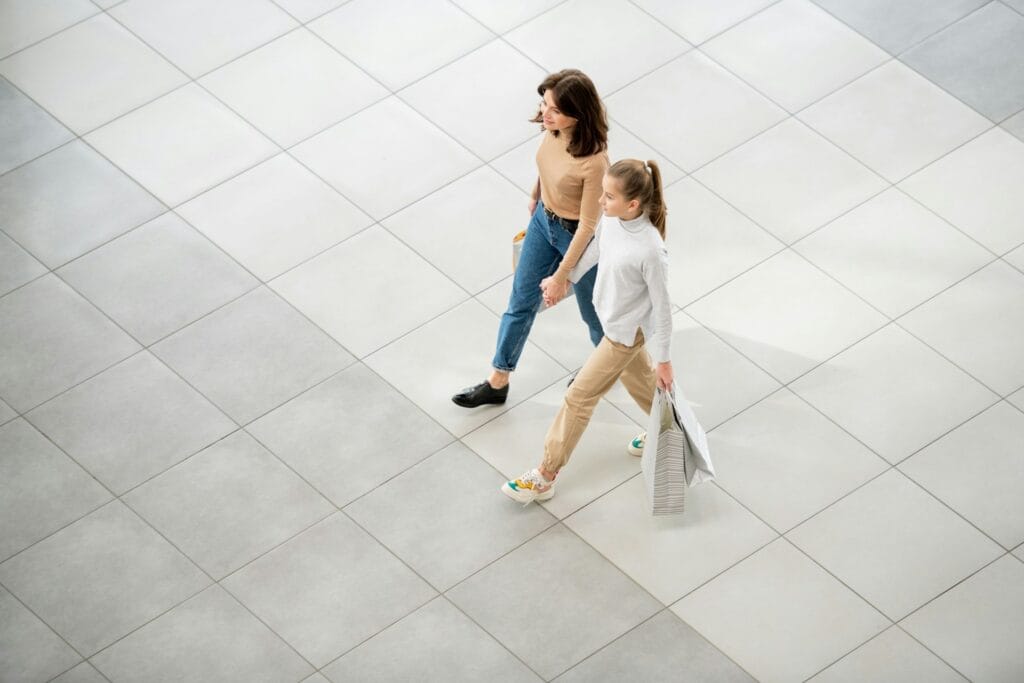
This is where periodic floor deep cleaning and machine scrubbing become useful. Professional equipment can tackle stubborn buildup that routine mopping leaves behind and help restore a cleaner, better-maintained appearance. Different flooring materials also require different cleaning approaches. A professional team should understand how to clean the flooring effectively without unnecessarily damaging the surface.
11. Food Court Tables and Dining Spaces
The food court is one of the most demanding areas in any shopping mall. Tables can become dirty within minutes of being cleaned, while chairs, floors, trays, and surrounding areas are constantly exposed to food crumbs, grease, sauces, drinks, and spills.
Tables and chairs should be wiped and sanitised between users whenever possible. Floors require regular sweeping and spot mopping, while rubbish and food waste should be cleared frequently.
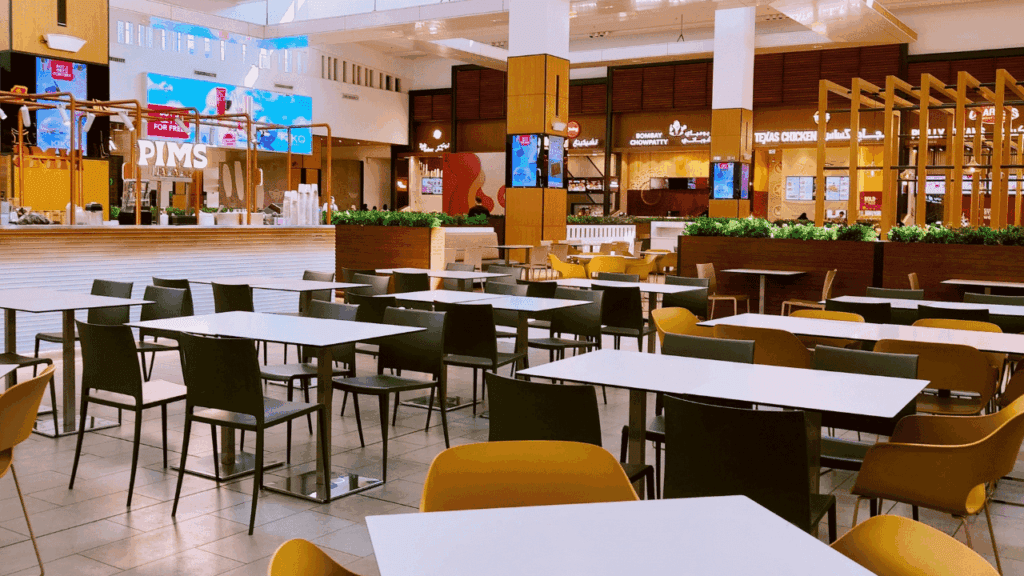
A structured cleaning routine becomes particularly important during lunch, dinner, weekends, and other peak periods when customer turnover is high. Periodic deep cleaning can then tackle grease and grime that accumulate beyond what everyday wiping and mopping can remove.
12. Carparks and Vehicle Access Areas
The cleaning checklist shouldn’t stop at the mall doors. Carparks are part of the overall visitor experience and often form a customer’s first and last physical interaction with the property. Parking areas can accumulate dust, litter, leaves, oil stains, tyre marks, and other debris. Floors should be swept regularly, while bins, lift lobbies, payment areas, stairways, and pedestrian walkways should also receive attention.
Depending on the surface and condition, periodic pressure washing or intensive floor cleaning may be required to tackle stubborn buildup. A cleaner carpark helps create a better impression before visitors even enter the shopping centre.
What Should Be Included in Daily Shopping Mall Cleaning?
While every property has different requirements, a practical daily routine will usually involve sweeping and mopping floors, vacuuming carpets and upholstery, emptying rubbish bins and replacing liners, wiping frequently touched surfaces, and sanitising critical areas such as restrooms and food courts.
Cleaners should also look beyond eye level. Dust gradually accumulates on ledges, fixtures, signs, vents, and other elevated surfaces that are easily missed during everyday cleaning. Certain jobs don’t necessarily need to happen every day but should still be incorporated into the wider schedule. Restrooms, flooring, carpets, and upholstery may require periodic deep cleaning, while air-conditioning vents and accessible filters should be cleaned according to the property’s maintenance requirements.
The key is having different levels of cleaning rather than trying to accomplish everything at once. Daily cleaning controls immediate dirt and keeps public areas presentable. Scheduled deep cleaning tackles the buildup that everyday maintenance cannot completely remove.
Why Professional Shopping Mall Cleaning and Dedicated Mall Cleaners Make a Difference
Managing all these areas requires much more than occasionally sending someone out with a mop. Successful mall cleaning services depend on planning, consistency, proper equipment, trained cleaners, and enough manpower to cover the property effectively.
A dedicated team can divide responsibilities across different zones and shifts. While one cleaner attends to the restrooms, another can inspect common areas, respond to spills, or maintain the food court. Cleaning supervisors can also make sure scheduled tasks are completed and urgent issues are handled quickly. This becomes especially important for larger properties operating long hours.
Working with experienced mall cleaning companies can also provide access to specialised equipment and services that an in-house team may not always have readily available. Floor scrubbers, extraction equipment, upholstery cleaning machines, and pressure washing equipment can all play a role in maintaining different areas of the property.
Professional Shopping Mall Cleaning Services in Singapore
Shopping malls present a unique cleaning challenge because there is rarely a time during operating hours when everything stops. People continue walking through corridors. Someone spills a drink. Another restroom cubicle needs attention. The food court fills up for lunch. Rubbish bins need emptying. Rain suddenly brings wet footprints through the entrance. Keeping up requires an organised system rather than simply reacting to problems as they appear.
Leafwell Singapore Cleaning Services provides professional shopping mall cleaning services and commercial cleaning solutions tailored to the requirements of different properties in Singapore. From everyday housekeeping in malls to periodic deep cleaning, floor care, upholstery cleaning, pressure washing, and other specialised services, our team can help property and facility managers develop a cleaning arrangement based on their actual needs.
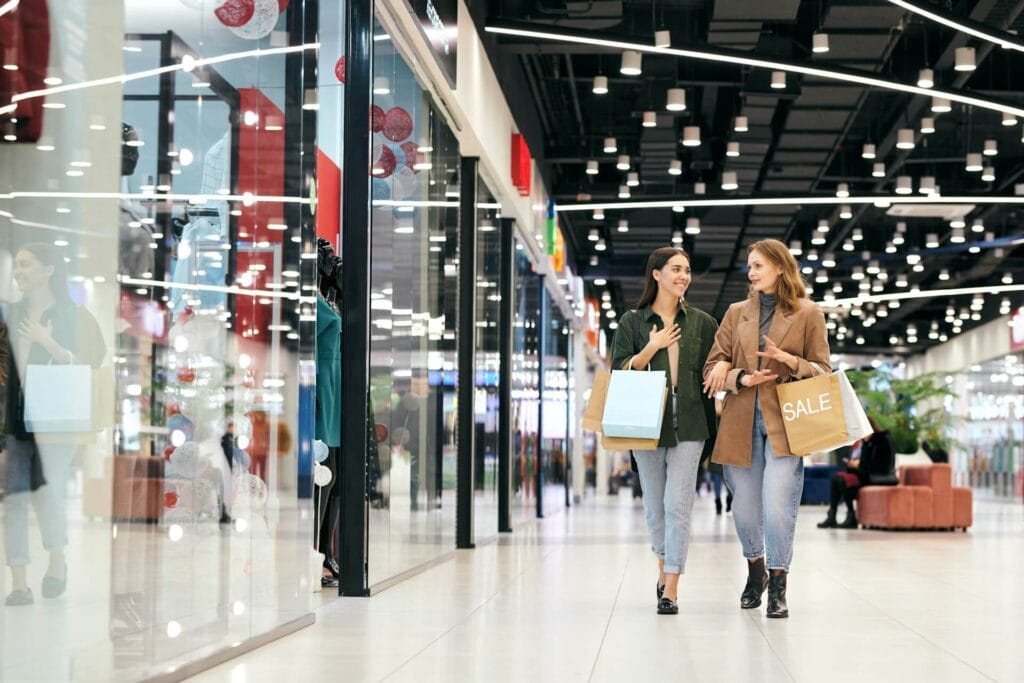
Hiring professional mall janitorial services also allows mall management and facility teams to concentrate on their core responsibilities while experienced cleaners handle the day-to-day work required to maintain a clean property.
Ultimately, a consistently clean shopping mall benefits everyone. Visitors enjoy a more comfortable and hygienic environment, tenants operate within a better-maintained property, and mall management can protect the image and reputation of the development.
A good cleaning checklist provides the foundation. Having the right people to execute it every day is what makes that checklist work.
Need reliable shopping mall cleaning services for your property? Visit Leafwell Singapore Cleaning Services’ Contact Us page for enquiries or a free quote, or contact us via WhatsApp for quick questions about your mall’s cleaning requirements.